
Introduction
A Spring Mattress has been a trusted choice in bedrooms for decades due to its reliable support, breathability, and responsive feel. Unlike foam-based mattresses, a Spring Mattress uses a system of metal coils that provide structure and bounce, helping maintain proper body alignment while sleeping.
However, not all of them are the same. The type of coils, construction quality, and comfort layers all influence how a mattress performs over time. In this guide, we will explain how it works, its key benefits, and how to choose the right one for better sleep.
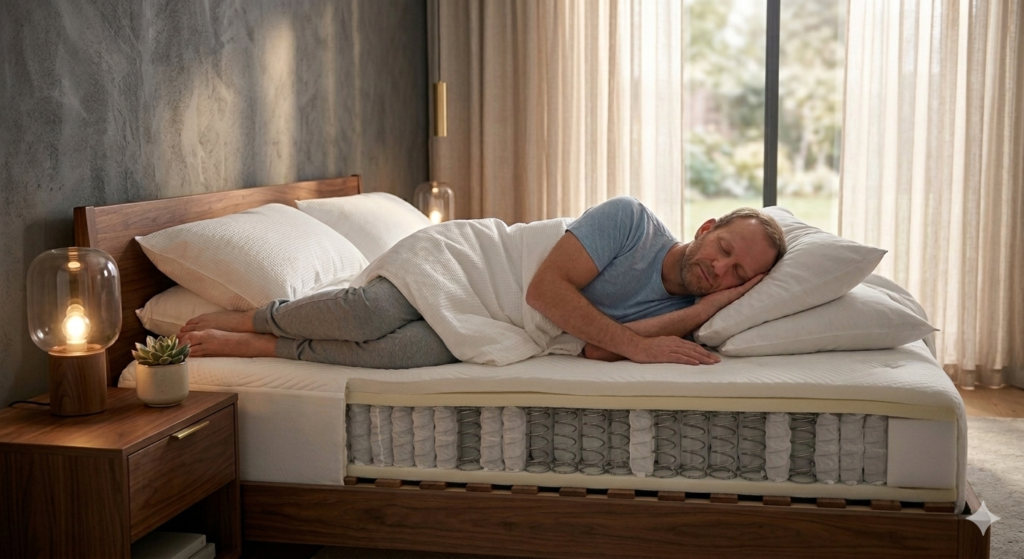
What is a Spring Mattress?
It also known as an innerspring mattress, uses a network of metal coils or springs as its primary support system. These coils compress under body weight and return to their original shape once pressure is removed.
Most modern spring mattresses include additional comfort layers such as foam, latex, or padding above the coil system.
Key components of a Spring Mattress include:
Support coils that provide structural stability
Comfort layers for cushioning and pressure relief
Edge support systems to maintain shape
Breathable fabrics that improve airflow
Different types of coil systems are commonly used, including:
Bonnell coils – traditional interconnected springs
Pocket springs – individually wrapped coils for better motion isolation
Continuous coils – durable coil structures connected in rows
Benefits of Spring Mattress
Comfort & Support
A well-designed Spring Mattress provides responsive support and balanced comfort. The coil system helps distribute body weight evenly while maintaining firmness.
Customers often appreciate the slightly bouncy feel that spring mattresses provide.
Key comfort benefits include:
Responsive surface that adjusts quickly to movement
Balanced spinal support
Suitable firmness options for different sleepers
Comfortable surface for combination sleepers
Many people who frequently change sleeping positions prefer the responsiveness of it compared to slow-reacting foam.
Durability
It can be highly durable when constructed with strong coils and reinforced edges.
Factors that affect durability include:
Coil gauge (thickness of springs)
Coil count and distribution
Quality of comfort layers
Overall mattress construction
From real-world retail experience, customers who invest in a well-built Spring Mattress often find it maintains structural support for many years with proper care.
Health and Lifestyle Benefits
It may contribute to better sleep comfort for certain types of sleepers.
Potential lifestyle advantages include:
Improved airflow for cooler sleep
Easier movement during the night
Firm support for back sleepers
Suitable for people who prefer traditional mattress feel
Because springs allow more air circulation, these mattresses are often recommended for people who feel too warm on dense foam surfaces.
Who Should Consider Spring Mattress?
A Spring Mattress may be a good option for sleepers who prefer a supportive and breathable sleep surface.
It is commonly suitable for:
Back sleepers who need firm spinal support
Hot sleepers looking for better airflow
Combination sleepers who change positions often
People who prefer a responsive mattress feel
Retail showroom experience also shows that many first-time mattress buyers still lean toward spring mattresses because they are familiar and easy to adapt to.
However, comfort preferences vary, so testing different firmness levels is always recommended.
How to Choose the Right Spring Mattress?
1. Coil Type
Pocket spring systems often provide better motion isolation compared to traditional connected coils.
2. Coil Count
Higher coil counts generally provide more consistent support and weight distribution.
3. Firmness Level
Choose firmness based on your sleep position:
Medium for side sleepers
Medium-firm for back sleepers
Firm for stomach sleepers
4. Comfort Layers
Look for mattresses that include quality foam or padding layers to improve pressure relief.
5. Edge Support
Reinforced edges help maintain mattress shape and increase usable sleeping space.
Common Mistakes to Avoid:
When purchasing a Spring Mattress, buyers often overlook important factors that affect comfort and longevity.
Ignoring Coil Quality
The type and thickness of coils directly influence mattress durability.
Focusing Only on Price
Very inexpensive mattresses may use weak coil systems that lose support quickly.
Not Checking Comfort Layers
Even a strong coil system needs adequate cushioning to ensure proper comfort.
Skipping a Trial Period
Trying the mattress before purchasing or choosing one with a return policy can help avoid discomfort later.
Final Thoughts:
A Spring Mattress remains one of the most widely used mattress types because of its strong support, breathable structure, and responsive feel. When constructed with quality coils and comfort layers, it can provide a balanced sleeping experience for many years.
From a mattress retailer’s perspective, customers who compare coil types, firmness levels, and comfort materials are more likely to find the mattress that truly suits their sleep style.
If you prefer a supportive mattress with good airflow and a classic sleeping feel, a Spring Mattress can be an excellent option to consider.
Ready to Upgrade Your Sleep?
Explore premium Spring Mattress options at Beyond Mattresses and find the perfect combination of comfort and support.
If you’re unsure which mattress suits you best, speak with a sleep expert or visit a showroom to test different mattresses before making your final decision.
FAQ:
1. Is a Spring Mattress good for back support?
It can provide good back support when it includes a strong coil system and appropriate firmness level that keeps the spine aligned.
2. How long does a Spring Mattress last?
A well-built Spring Mattress typically lasts between 7–10 years, depending on coil quality, usage, and maintenance.
3. Is a Spring Mattress better than foam?
It offers better airflow and responsiveness, while foam mattresses provide contouring and pressure relief. The best option depends on personal comfort preferences and sleeping style.