
Introduction
A Memory Foam Mattress has become one of the most popular mattress choices for people seeking better sleep quality and pressure relief. Originally developed by NASA, memory foam technology adapts to your body shape, offering personalized support and improved comfort throughout the night.
From a retailer’s perspective, many customers who switch to a Memory Foam Mattress often report noticeable improvements in sleep posture and reduced body aches. Unlike traditional spring mattresses, memory foam distributes weight evenly and reduces pressure points.
However, choosing the right mattress requires understanding how memory foam works, its benefits, and what factors to consider before buying. This guide will help you understand everything you need to know before investing in it.
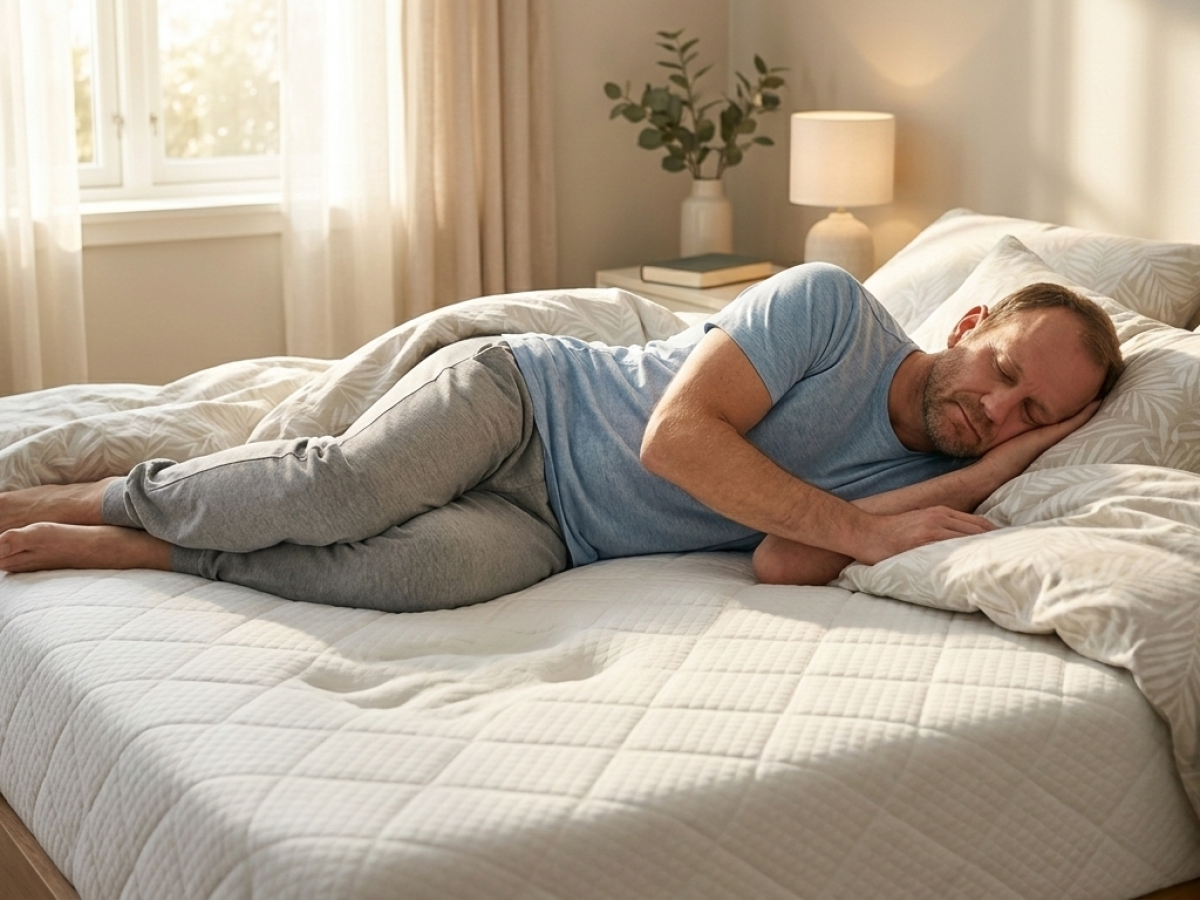
What is a Memory Foam Mattress?
It is made from viscoelastic foam, a material that responds to body heat and pressure. When you lie down, the foam softens and molds to your body’s shape, providing customized support.
Once the pressure is removed, the foam gradually returns to its original shape.
Key characteristics include:
Contouring support for the spine
Pressure relief for joints and muscles
Motion isolation for undisturbed sleep
Even weight distribution
Because of these features, a Memory Foam Mattress is commonly recommended for people experiencing back pain or joint discomfort.
Benefits:
Comfort & Support
One of the biggest advantages of a Memory Foam Mattress is its ability to contour to the body. This helps maintain proper spinal alignment while sleeping.
Key comfort benefits include:
Reduced pressure on shoulders and hips
Better support for the lower back
Improved sleeping posture
Minimal motion transfer for couples
Many customers visiting mattress showrooms often prefer memory foam because it provides a “hugging” sensation that traditional mattresses cannot offer.
Durability
A high-quality Memory Foam Mattress is known for its durability and resilience. Unlike low-density foam mattresses, premium memory foam maintains its shape for years with proper use.
Factors affecting durability include:
Foam density
Mattress construction layers
Quality of materials used
From a retailer’s experience, customers who invest in a quality Memory Foam Mattress often find it maintains comfort and support longer than basic foam mattresses.
Health and Lifestyle Benefits
A Memory Foam Mattress may support healthier sleep habits by reducing pressure points and improving body alignment.
Some potential benefits include:
Better spinal support
Reduced tossing and turning
Improved sleep comfort for side sleepers
Less partner disturbance during sleep
People who spend long hours sitting or working on laptops often look for mattresses that relieve back stress, making memory foam a popular option.
Who Should Consider Memory Foam Mattress?
It can be a good choice for many types of sleepers.
It may be especially suitable for:
People experiencing mild back or joint discomfort
Side sleepers needing pressure relief
Couples who want reduced motion disturbance
Individuals looking for a body-contouring mattress
Retail experience also shows that first-time mattress buyers often choose memory foam because it offers a balance of comfort and support.
However, mattress preference varies from person to person, so testing firmness and comfort level is always recommended.
How to Choose the Right Memory Foam Mattress?
Selecting the right Memory Foam Mattress depends on several factors.
1. Foam Density
Higher density memory foam generally offers better durability and support.
2. Firmness Level
Choose firmness based on your sleeping position:
Soft to medium for side sleepers
Medium to firm for back sleepers
Firm for stomach sleepers
3. Mattress Thickness
Most quality memory foam mattresses range between 8–12 inches in thickness.
4. Breathability
Look for mattresses with cooling layers or breathable fabrics to improve airflow.
5. Brand and Warranty
Always buy from a reputable brand or retailer offering proper warranty and customer support.
Common Mistakes to Avoid
Many buyers make mistakes when purchasing a Memory Foam Mattress. Avoiding these can help you make a better investment.
Buying Based Only on Price
Cheaper mattresses often use low-density foam that may lose shape quickly.
Ignoring Firmness Preferences
Comfort levels differ for every sleeper, so firmness should match your sleeping style.
Not Checking Mattress Layers
A good Memory Foam Mattress usually has multiple layers for comfort, support, and durability.
Skipping Trial Periods
If possible, choose a mattress with a trial period to test comfort over time.
Final Thoughts
A Memory Foam Mattress offers excellent pressure relief, body contouring, and motion isolation, making it a popular choice for modern sleepers. When chosen carefully, it can provide comfortable and supportive sleep for many years.
From a retailer’s perspective, customers who take the time to understand mattress materials and firmness levels are more likely to find the right mattress for their needs.
If you are considering upgrading your sleep setup, exploring a high-quality Memory Foam Mattress could be a great step toward better sleep comfort.
Ready to Improve Your Sleep?
Explore premium Memory Foam Mattress options at Beyond Mattresses and find the perfect mattress for your comfort and support needs.
If you’re unsure which mattress suits you best, consult a sleep expert or visit a showroom to test different options before making your final decision.
FAQ:
1. Is a Memory Foam Mattress good for back pain?
A Memory Foam Mattress can help support spinal alignment and reduce pressure points, which may provide relief for people experiencing mild back discomfort.
2. How long does a Memory Foam Mattress last?
A good quality Memory Foam Mattress typically lasts between 7–10 years, depending on foam density, usage, and overall construction.
3. Does a Memory Foam Mattress get hot while sleeping?
Some traditional memory foam mattresses may retain heat. However, modern designs often include cooling gel layers or breathable fabrics to improve airflow and comfort.